Comprehending and Taking Care Of Water Pressure and Heat Distribution
Ensuring your home's water pressure and heat circulation operate at their best can greatly affect your day-to-day comfort and energy costs. While numerous property owners forget these vital systems, understanding the basics and identifying usual problems can encourage you to take control. From detecting pressure problems to improving central heating boiler effectiveness, the appropriate strategy can transform your living environment. Discover useful remedies that'll have you really feeling right at home, no matter the weather outside.
Secret Takeaways
-
Proper water pressure monitoring entails monitoring, changing, and updating plumbing systems to preserve the suitable 40-80 PSI array for efficient water flow.
-
Installation of booster pumps or pressure managing valves can effectively increase low water pressure by overcoming problems like pipe rust or obsolete fixtures.
-
Too much water pressure above 80 PSI can harm plumbing, calling for using pressure relief valves and normal maintenance to stop leaks and ruptureds.
-
Effective heat distribution depends on recognizing heat transfer systems, making sure proper airflow or water circulation, and maximizing insulation to maintain wanted temperature levels.
-
Stabilizing heating unit, such as radiator harmonizing in hydronic systems, assists address unequal heating triggered by pressure discrepancies or clogs, boosting overall convenience and energy performance.
Basics of Water Pressure
Water pressure is a basic idea you need to recognize when managing your home's plumbing system. It's the force that drives water flow with your pipes, and it's determined in pounds per square inch (PSI). Suitable water pressure is vital for guaranteeing effective water circulation and proper functioning of your fixtures like taps, showerheads, and appliances.
Commonly, your home's water pressure must vary between 40-80 PSI. If it's as well reduced, you may experience weak water flow and trouble filling out containers or tubs. On the other hand, if the pressure is expensive, it can harm your plumbing components and cause leaks.
You can measure your home's water pressure utilizing an easy pressure gauge, which you can attach to an exterior tube bib or a component's water line.
Recognizing the fundamentals of water pressure is necessary for maintaining a well-functioning plumbing system. By keeping track of and adjusting your home's water pressure as required, you can guarantee ideal water flow and protect against prospective issues down the line.
Usual Water Pressure Issues
Are you handling low water pressure or high water pressure in your house?
Both can trigger serious problems if left unaddressed.
Allow's discover the usual sources of these water pressure issues so you can take the required steps to maintain perfect water circulation throughout your plumbing system.
Reasons For Low Pressure
Why do you usually experience low water pressure in your home? Several usual culprits may be to blame, from clogged up pipes and malfunctioning pumps to leaky taps and obsolete fixtures.
Among the main causes of reduced pressure is pipe corrosion. Gradually, mineral accumulation and corrosion can limit the circulation of water, lowering the pressure throughout your plumbing system.
Leaks are another significant element. Also a small drip from a faucet or concealed behind a wall surface can draw away a significant amount of water, leaving much less readily available for regular usage. Regular leak detection and punctual fixings are necessary for keeping perfect pressure.
Older home appliances and fixtures can additionally add to the trouble, as their outdated layouts might not be able to handle the demands of contemporary water usage.
To resolve reduced pressure, begin by checking your plumbing for indicators of rust or leaks. Think about upgrading to a lot more efficient fixtures and home appliances if essential.
With some troubleshooting and strategic upgrades, you can recover the strong water pressure your home is worthy of.
High Pressure Problems
While low water pressure can be problematic, high pressure isn't optimal either. Exceedingly high pressure can place unneeded strain on your plumbing system, potentially causing pipe ruptureds, leaks, and damage to home appliances and fixtures. It's vital to check your water pressure and attend to any kind of concerns promptly.
One means to inspect your water pressure is by setting up a stress gauge. This tool will provide you an accurate analysis of the pressure in your system, allowing you to determine if it's too expensive. If the pressure exceeds 80 psi, you might require to set up a pressure-reducing valve to bring it to a safe level, generally between 40-60 psi.
Furthermore, a pressure relief valve is a necessary security attribute that can aid protect against damage from high pressure. This valve will instantly release water if the pressure gets expensive, safeguarding your plumbing.
Frequently examining and keeping these valves is important to guarantee they function properly.
Identifying Water Pressure Issues
When repairing low water pressure, you'll first want to check the major water system shutoff to verify it's totally open.
When you have actually verified the valve is open, you can move on to conducting water pressure examinations throughout your home. Making use of a pressure gauge, examine the pressure at various faucets and showerheads to determine any kind of incongruities. It's important to make sure the pressure scale is appropriately calibrated to get precise analyses.
If the pressure is consistent across the home, the issue may lie with the community supply of water.
However, if the pressure varies, the problem could be within your home's plumbing system. Check the pipes for any type of blockages or leaks that might be limiting water circulation.
You might additionally wish to take into consideration updating to higher-capacity pipes or setting up a booster pump to enhance the pressure.
Enhancing Water Pressure Solutions
If your home's water pressure is reduced, you have actually got a few choices to contemplate.
You can set up a booster pump to greatly raise the pressure.
Conversely, adding a pressure managing shutoff or upgrading your plumbing system might likewise suffice.
Booster Pump Installment
Increasing your home's water pressure may need setting up a booster pump, which can effectively overcome low-pressure issues and supply sufficient circulation to all your fixtures.
There are different sorts of booster pumps to pick from, including jet pumps, centrifugal pumps, and completely submersible pumps. The type you pick will certainly rely on factors like your home's water use, the size of your plumbing system, and the offered room for installation.
When it comes to installation, following the producer's standards is necessary. This normally involves selecting the suitable location, making sure correct electric and plumbing links, and setting up the pump to meet your details water pressure needs.
You might likewise require to mount extra parts like pressure tanks or inspect valves to maximize the system's efficiency.
Correct booster pump setup can make a substantial difference in your house's water pressure and overall plumbing efficiency. With the best pump and a specialist installment, you can enjoy better water circulation and far better performance from your fixtures.
Pressure Controling Valves
Pressure managing shutoffs are an efficient solution for increasing water pressure in your house.
These shutoffs control the flow of water entering your plumbing system, assuring a consistent and excellent pressure degree throughout your building. By mounting a pressure regulating valve, you can enhance the performance of your fixtures, showers, and appliances, offering an extra delightful and effective water use experience.
Among the key advantages of pressure managing valves is the capacity to adjust the water pressure as required. With built-in pressure modification techniques, you can tweak the water flow to fulfill your specific requirements, whether it's minimizing high pressure or increasing low pressure.
Furthermore, regular valve whitstable plumber maintenance is vital to preserve peak performance. Complying with the maker's directions for cleansing and servicing the shutoff can aid extend its life expectancy and assure your home's water pressure stays constantly trustworthy.
Plumbing System Upgrades
Along with pressure controling valves, there are other plumbing system upgrades you can consider to increase your home's water pressure.
One choice is to replace obsolete pipes with newer, wider-diameter ones. This can greatly boost water circulation and enhance the general pressure throughout your plumbing system. Older, narrower pipes can limit water motion, bring about reduced pressure, specifically in areas farther from the main supply.
One more upgrade to think about is fixture upgrades. Changing showerheads, taps, and various other water-consuming home appliances with high-efficiency models can help maximize your water pressure. These modern-day fixtures are created to provide the very same functionality while using much less water, which can equate to greater pressure at each electrical outlet.
Concepts of Heat Circulation
Efficiently dispersing heat throughout a room typically depends on understanding the fundamental principles governing its movement. The essential elements are thermal conductivity and heat transfer.
Thermal conductivity defines a material's capability to conduct heat, with materials like metal having high conductivity and permitting heat to stream quickly. In contrast, shielding materials have reduced conductivity, slowing down heat transfer.
Recognizing heat transfer - the activity of thermal power - is also essential. Heat naturally moves from warmer to cooler areas, spreading out using transmission, convection, and radiation.
Conduction transfers heat through straight contact in between molecules. Convection steps heat via the blood circulation of fluids like air or water. Radiation sends heat as infrared waves.
Maximizing these heat transfer devices is essential for attire, effective heating. This might involve selecting high-conductivity piping, strategically putting vents and registers, and making certain appropriate insulation.
Uneven Heating: Causes and Repairs
If you're experiencing uneven heating in your home, there are a few typical causes to analyze.

Incorrect distribution of air movement or water circulation within your heating system can result in some spaces feeling warmer or cooler than others.
Fortunately, there are actions you can require to balance your heating unit and ensure more regular temperatures throughout your living spaces.
Factors Affecting Home Heating
Uneven heating within your home can originate from different elements, consisting of imbalances in your system's water pressure and poor air flow circulation.
Appropriate water pressure is essential for attaining regular home heating throughout your living spaces. If particular spaces are substantially warmer or cooler than others, it could indicate an issue with your plumbing system. Guaranteeing well balanced water pressure can improve your heating efficiency and contribute to overall power conservation.
Another vital factor impacting heating is the distribution of air throughout your home. Clogs or imbalances in your ductwork can protect against warm air from getting to specific locations, leading to irregular temperature levels.
Consistently inspecting and maintaining your HVAC system, consisting of cleaning or changing air filters, can enhance air flow and promote even more also heat circulation. By resolving these underlying aspects, you can enhance the comfort and efficiency of your home's home heating, conserving you money and lowering your environmental impact.
Stabilizing Heater
Balancing your home's heater can begin by resolving the root causes of unequal heating, whether originating from water pressure imbalances or air flow circulation concerns.
In hydronic systems, radiator balancing is important to ensure each space receives the appropriate heat. Begin by examining the water pressure and changing valves to maintain an even flow. Next, hemorrhage air from the radiators to remove any entraped pockets, enabling heat to distribute openly.
If particular rooms continue to be cool, the problem might hinge on the ductwork or air vents. Validate all vents are open and unobstructed, and think about readjusting dampers to reroute air movement where it's needed most. Updating to programmable thermostats can also assist stabilize the system by allowing you to set different temperature levels for specific areas.
Frequently maintaining and tweaking your heating system can go a long way in creating a comfy, energy-efficient home.
Don't hesitate to enlist the aid of a professional if the trouble lingers.
Enhancing Boiler and Heating System Efficiency
Optimizing the efficiency of your central heating boiler or heater begins with recognizing the factors that influence their performance. Correct boiler maintenance is key - make certain you're routinely cleaning the burning chamber, checking the pilot light, and replacing worn components.
Likewise, furnace upgrades can make a huge difference. Take into consideration upgrading to a high-efficiency model, which uses less gas to create the same quantity of heat.
An additional vital factor is making certain your system is properly sized for your home. An oversized central heating boiler or furnace will certainly short-cycle, squandering energy. Work with an expert to establish the right size for your demands.
Appropriate insulation and air sealing in your home can likewise enhance efficiency by minimizing heat loss.
Do not forget to schedule annual tune-ups to maintain your system running at peak efficiency. Making these modifications can greatly enhance your central heating boiler or heating system's performance, conserving you cash on energy costs and reducing your environmental influence.
Insulation and Heat Loss Prevention
Proper insulation is important for avoiding heat loss and maintaining a comfy interior temperature throughout your home. Inadequate insulation can result in drafts, uneven home heating, and higher energy expenses as your heating system battles to compensate for the heat getting away through walls, ceilings, and floors.
When it involves insulation, you have several options to select from, consisting of fiberglass, cellulose, and spray foam. Each kind of insulation material has its own advantages and is finest suited for certain locations of your home. Fiberglass, for example, is a prominent option for attics and walls, while spray foam can be an efficient service for hard-to-reach spaces.
Regardless of the insulation product you pick, the key to optimizing heat retention is to ensure that it's properly installed. Voids, fractures, and other openings can permit heat to leave, undermining the performance of your insulation. By attending to these problems, you can enhance your home's power efficiency and delight in a more comfortable living environment.
Thermostat and Temperature Level Control Approaches
With your home's insulation in place, you can currently focus on optimizing your thermostat and temperature control methods to additionally enhance power effectiveness and convenience.
Smart thermostats are a game-changer, enabling you to program and from another location adjust temperatures based on your timetable and preferences.
These devices can even integrate with temperature sensors put throughout your home, providing a more precise analysis of the general climate.
By establishing the optimal temperature levels for when you're home, away, or asleep, you'll decrease energy waste and maintain a relaxing living setting.
In addition, some wise thermostats provide sophisticated functions like geofencing, which automatically adjusts the temperature as you come close to or leave your home.
With these tools within your reaches, you can adjust your home's home heating and cooling down to excellence, saving cash on energy bills while maintaining your household comfortable year-round.
Plumbing Upkeep for Improved Performance
Maintaining your plumbing system is essential to making sure perfect water pressure and efficient heat circulation throughout your home.
By regularly evaluating and resolving any problems with your pipes, fixtures, and hot water heater, you can protect against costly problems down the line and optimize the efficiency of your home's plumbing.
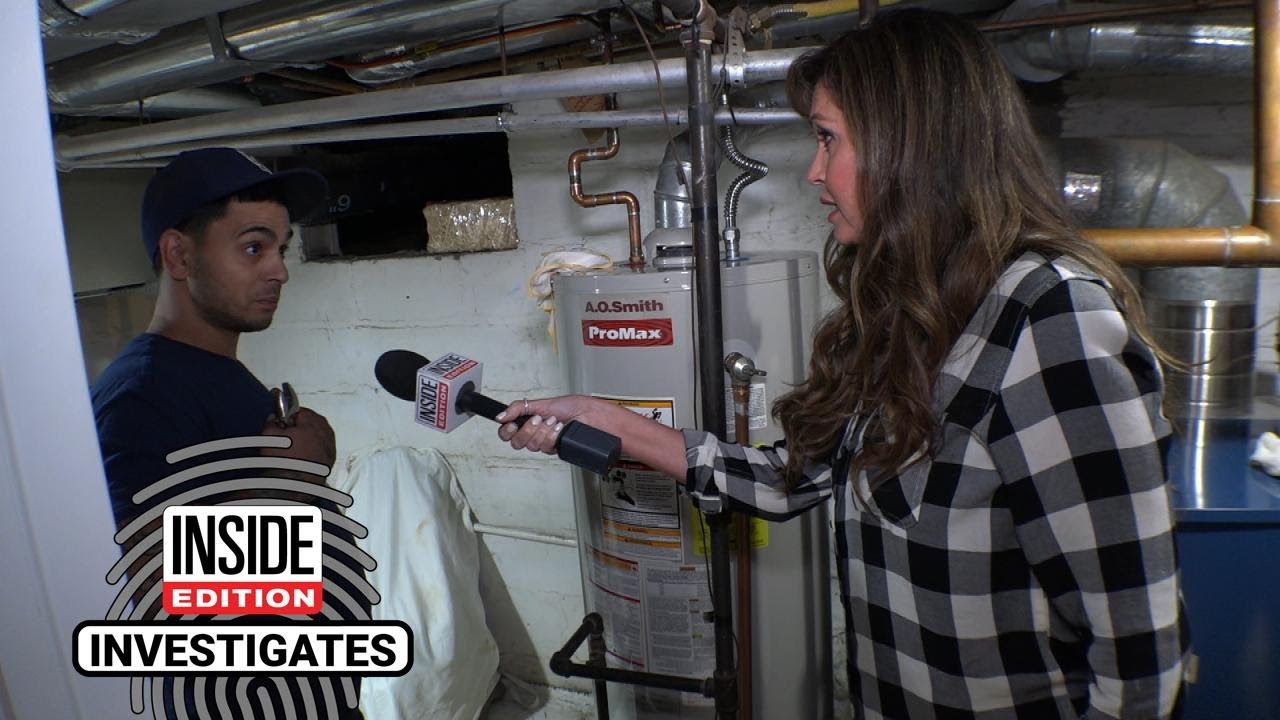
Start by carrying out routine pipe evaluations to determine possible leaks or clogs that can minimize water circulation and pressure.
If you see any type of system leaks, resolve them quickly to prevent water damage and greater energy bills.
Furthermore, keep an eye on your hot water heater, guaranteeing it's operating properly and maintaining the best temperature level setting.
Proper upkeep of your plumbing elements can significantly improve the total performance and long life of your home's water delivery and furnace.
Frequently Asked Concerns
How Do I Decrease Water Pressure in My Home?
If you're experiencing high water pressure in your house, there are a few points you can do to lower it.
First, check your home's plumbing system for any leaks or issues. If everything appears fine, you can install a pressure-reducing valve on the main water line.
This will aid manage the water pressure and prevent damage to your pipes and fixtures.
You can also think about including a water pressure regulator to your plumbing system.
What Causes Low Hot Water Pressure in the Shower?
The primary sources of reduced warm water pressure in your shower can be as a result of a blocked or obstructed shower head or plumbing issues within your home.
The shower head might be filled with mineral buildup, restricting water circulation.
In addition, if your home's plumbing has any type of leaks or obstructions, this can minimize the general water pressure, specifically impacting the hot water supply to your shower.
Addressing these possible issues can help bring back proper warm water pressure for a more pleasurable shower experience.
Just How Can I Boost Heat Circulation in My House?
To enhance heat distribution in your house, concentrate on the placement of your radiators and thermostat settings.
Validate your radiators aren't obstructed by furnishings, which can prevent heat from flowing properly.
Adjust your thermostat to preserve a regular temperature level throughout your home.
Consider upgrading to a clever thermostat that lets you precisely control the temperature level in different rooms.
Making these simple changes can assist validate even heat circulation and keep your home relaxing.
What Is the very best Method to Protect My Home?
To protect your home properly, take into consideration making use of high-performance insulation materials like spray foam or inflexible foam boards.
These choices give remarkable power efficiency and aid regulate indoor temperature levels, reducing your heating & cooling prices.
Bear in mind to secure any air leaks and correctly protect attic rooms, wall surfaces, and crawl spaces to make best use of the advantages.
With the ideal insulation strategy, you can improve your home's convenience and power efficiency.
How Frequently Should I Have My Plumbing System Serviced?
Your plumbing system need to be serviced consistently to guarantee it's running efficiently. Goal to have a professional examine and keep your plumbing at the very least annually.
This assists identify any kind of problems early and stops much more expensive repair services down the line. Routine plumbing maintenance is vital to keeping your home's water pressure and temperature distribution in leading form.
Don't wait up until you have a problem - stay proactive with your plumbing system's service regularity.
Final thought
You've discovered the principles of water pressure and heat distribution.
Keep your home comfortable and efficient by routinely inspecting your plumbing and heating systems.
Address any pressure or temperature concerns without delay to prevent damage and boost efficiency.
With the ideal maintenance approaches, you can guarantee your home gives the best balance of water flow and heat transfer year-round.